
The Invisible Threat: Why You Should Care About Air Pollution Indoors
We all know that outdoor air can be polluted. But did you know that the level of pollution varies dramatically around the world and that what’s outside eventually finds its way inside?
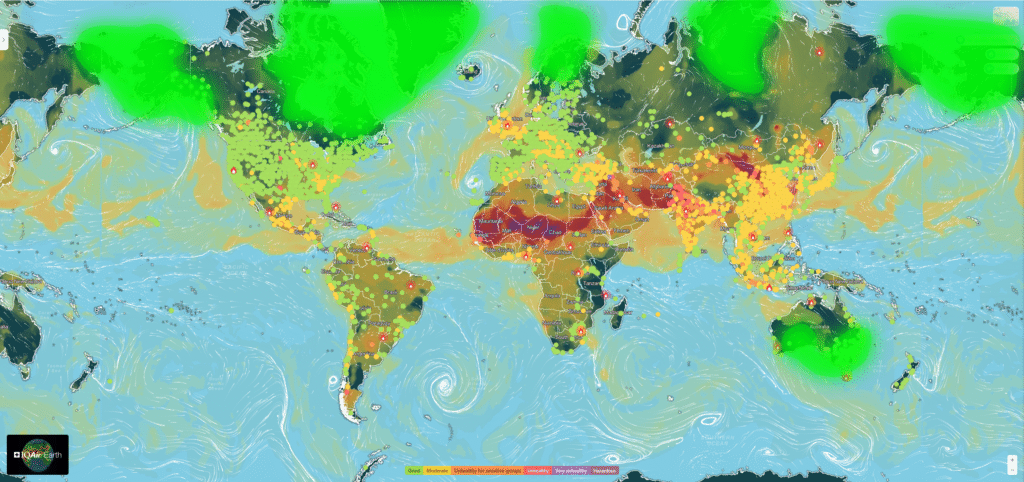
Small particle accumulation
So, what exactly is in the air that we should be concerned about? What does it do to our health? And more importantly how can we protect ourselves?
These are essential questions that everyone should be asking. Here’s why.
What’s in the Air, and Why It Matters
Air contains oxygen, the element that makes life possible. It’s why we breathe, and it’s just as crucial inside our homes as it is outdoors. That means, whether we like it or not, outdoor air needs to enter our living spaces.
But when that air comes in, it brings along unwanted passengers: pollutants.
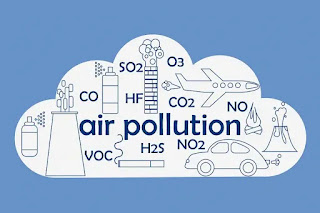
Pollutants are tiny substances already present in the atmosphere, even in places considered to have “clean” air. Their danger comes not from their existence, but from their concentration, often made worse by human activity like traffic and industry.
Numerous studies done around the world show the most harmful of these pollutants to be Small particles.
These particles come in various sizes, but it’s the smallest ones often referred to as PM2.5 that are the most dangerous. Our upper airways do a decent job of filtering out larger particles. But these tiny ones can slip through, enter deep into our lungs, and even make their way into our bloodstream.
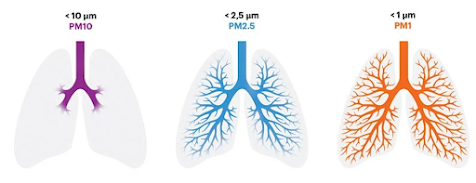
Their effects are far from minor.
In fact, studies show that in developed countries, Exposure to small particles causes more serious health risks than all other environmental factors combined.
Let that sink in.
Can We Measure the Air We Breathe?
Let’s say this is starting to worry you, and frankly, it should. The next logical step would be to measure the air quality where you live. Unfortunately that’s easier said than done.
Most consumer-grade air quality monitors struggle to accurately detect small particles. But the good news is, reliable measurements do exist, and some organizations are already doing this on a global scale.
IQAir is one example. Their real-time maps show particle pollution levels across the world, including wind patterns that help track where pollutants are heading.
Feeling curious? They also publish annual rankings of the most and least polluted countries based on massive amounts of data.
The 90% Rule and Why Indoor Air Quality Matters More Than Ever
Here’s a stat that might surprise you: humans spend around 85–90% of their time indoors. That means protecting ourselves from outdoor air pollution starts with what we do inside our homes.
If you live in a low-pollution area, you’re one of the lucky ones. For everyone else, there are a couple of effective strategies to reduce indoor particle exposure.
1. Install an Air Handling Unit (AHU, HRV, or ERV)
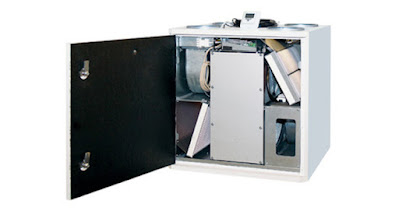
This is my top recommendation. These systems manage the flow of air in and out of your home, filtering out pollutants while supplying a steady stream of fresh, oxygen-rich air. It’s a whole-house solution that provides the best balance of efficiency, noise control, and long-term cost.
2. Use Air Purifiers
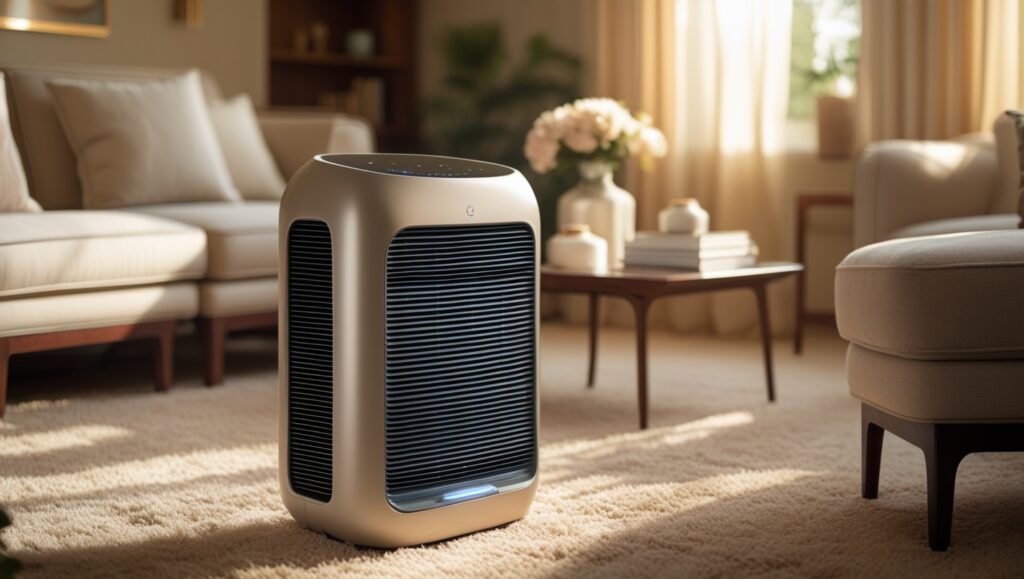
These devices clean the air as well but usually in a single room. They’re easier to install and often cheaper up front, but they come with downsides like noise, lower coverage, and the cost of multiple units if you want to purify more than one room.
There’s no one-size-fits-all solution, but starting with an air handling unit is the gold standard. If that’s not feasible, then it’s about finding the next best option while understanding the compromises involved.
Until next time 👋🏻